
Not Sure Where to Start?
We’ve Got You.
Every body is different and so are the demands placed on it. Whether you’re feeling run-down, fighting off illness, recovering from travel, or simply want to support your long-term wellness, our team will help guide you toward the treatment that fits your goals.
You don’t need to have all the answers. That’s our job.


IV Therapy
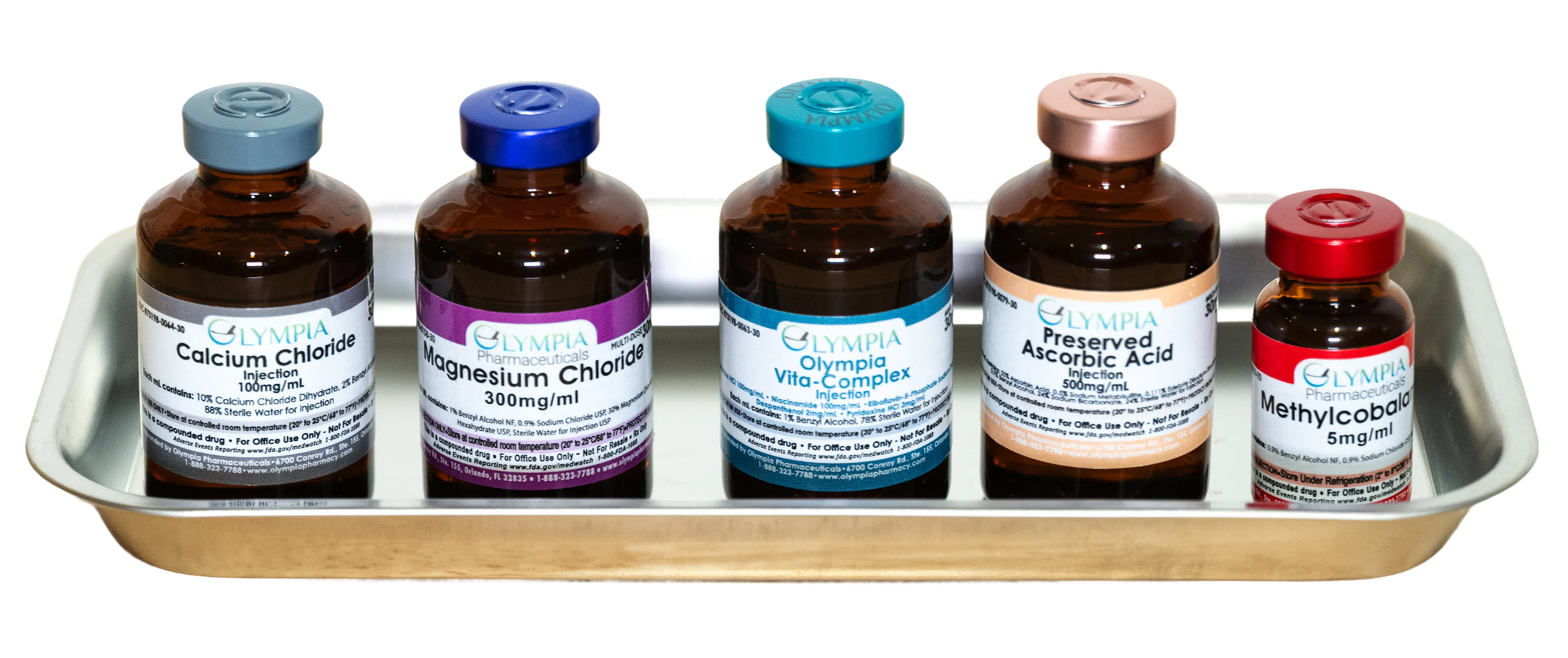
IV drip therapy delivers fluids, vitamins, minerals, and antioxidants directly into your bloodstream, allowing for quicker absorption than oral supplements. This makes IV therapy an ideal option when your body needs support now, not days from now.

IM Therapy
IM injections deliver essential vitamins directly into the muscle for efficient absorption. They’re a great option for ongoing wellness support or when you want a fast boost without a full IV session.

NAD+ IV Therapy
NAD+ is a naturally occurring coenzyme that plays a key role in energy production, cellular repair, and brain function. As levels decline with age and stress, replenishing NAD+ may help support mental clarity, resilience, and overall vitality.

Ingredients
-
Amino acids are the essential building blocks of proteins and form the nitrogen-rich foundation for compounds like neurotransmitters and hormones.
While there are hundreds of amino acids in nature, only about 20 are required to create all the proteins found in the human body and most other life forms.
These amino acids help repair visible skin damage by connecting peptides and proteins, strengthening the skin’s surface to reduce fine lines and wrinkles, and ensuring optimal hydration.
-
B Vitamins—B1 (Thiamine), B2 (Riboflavin), B3 (Niacinamide), B5 (d-Panthenol), B6 (Pyridoxine), B7 (Biotin), B9 (Folic Acid), and B12 (Cyanocobalamin)—play a key role in energy conversion by helping the body turn carbohydrates from food into usable energy. This is essential for glucose metabolism and helps maintain balanced insulin levels.
B vitamins are also crucial for cell growth, development, and function. They support skin and nervous system health, aid in cell synthesis, assist with the breakdown and formation of fats, promote brain development, drive enzyme reactions, and enhance immune function. Additionally, they contribute to building genetic material and help prevent megaloblastic anemia.
-
Vitamin C acts as an antioxidant helping to protect cells from the damage caused by free radicals. Free radicals are compounds formed when our bodies convert the food we eat into energy. People are exposed to free radicals in the environment from cigarette smoke, air pollution, and other toxins.
The body also needs Vitamin C to make collagen, a protein required to help wounds heal.
In addition, Vitamin C improves the absorption of iron from plant-based foods and helps the immune system work properly to protect the body from disease.
-
Vitamin D enhances mood, keeps energy levels up, and increased blood flow. Vitamin D also regulates calcium and phosphorus in the body, which helps maintain healthy growth of bones and teeth. This aids in preventing osteoporosis which is a disease that thins and weakens the bones making them more likely to break.
Your body needs Vitamin D for other functions too. Your muscles need it to move, your nerves need it to carry messages between your brain and the body, and your immune system needs it to fight off invading bacteria and viruses.
-
Zinc is found in cells throughout the body. It assists the immune system in fighting off invading bacteria and viruses. Your body also uses zinc to make DNA and proteins.
During pregnancy, infancy, childhood, and adolescence the body needs zinc to grow and develop properly. Zinc also helps wounds to heal and is important for proper sense of taste.
-
Magnesium regulates muscle and nerve function, blood pressure, blood sugar levels, and assists in making proteins, bone, and DNA.
Magnesium also helps by activating Adenosine Triphosphate (ATP) within the cells, which allows increased physical performance. It also contributes to anti-inflammatory properties in muscles and joints to help decrease pain levels.
-
A nutrient that the body needs to stay healthy. It is important for reproductive health, thyroid gland function, DNA production, and aids in protecting the body from damage caused by free radicals.
-
Assists in transmission of nerve impulses, acid-base balance, maintenance of plasma volume, and normal cell function.
-
Regulates the heart beat, ensures proper function of the muscles and nerves, and is vital for synthesizing proteins and metabolizing carbohydrates.
-
Regulates the amount of fluid and nutrients going in and out of the cells. Maintains proper pH levels. It also stimulates stomach acid needed for digestion, stimulates the action of nerve and muscle cells, and facilitates the flow of oxygen and carbon dioxide within the cells.
-
A critical coenzyme found in every cell in your body and is involved in hundreds of metabolic processes.
-
A peptide found in plants and animals. It is a powerful antioxidant to aid the body in protecting against free radicals, peroxides, and heavy metals. It also aids in building and repairing tissue.